#Archive30 - April 2026
April 14, 2026
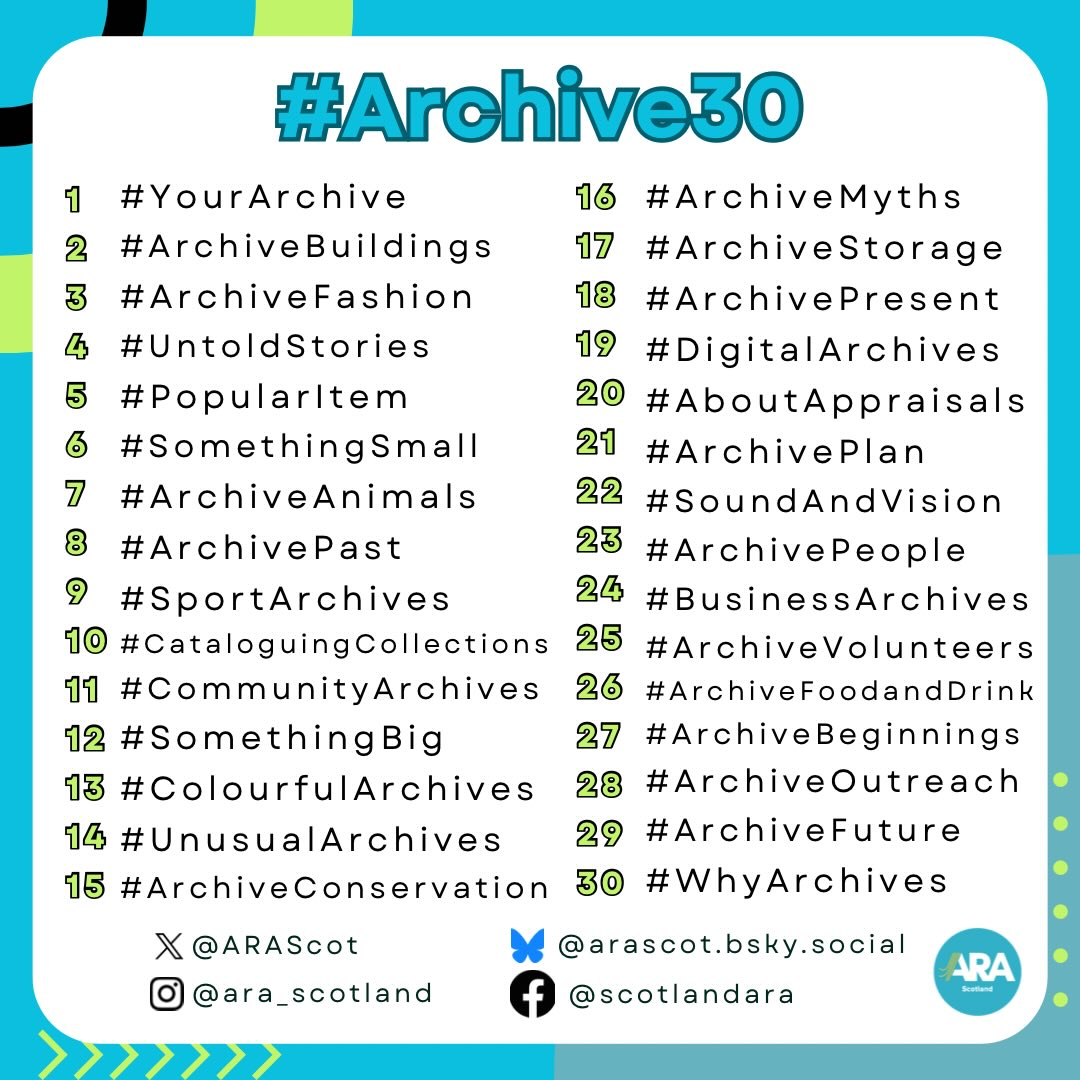
#Archive30 2026 from the Scottish Archives & Records Association
It's that time of year again: April is #Archive30 season!
Check out past seasons of #Archive30 @Oak Bay Archives on Connect:
- 2021 https://connect.oakbay.ca/archives/april-2021
- 2022 https://connect.oakbay.ca/archives/project-2
- 2024 https://connect.oakbay.ca/archives/archive30-april-2024
Day 1 #YourArchive - Welcome to #Archive30 from Oak Bay Archives at Municipal Hall! We're starting late but will be catching up next week, so follow along here, on Facebook, and in the display case upstairs in the main foyer. #Archive30
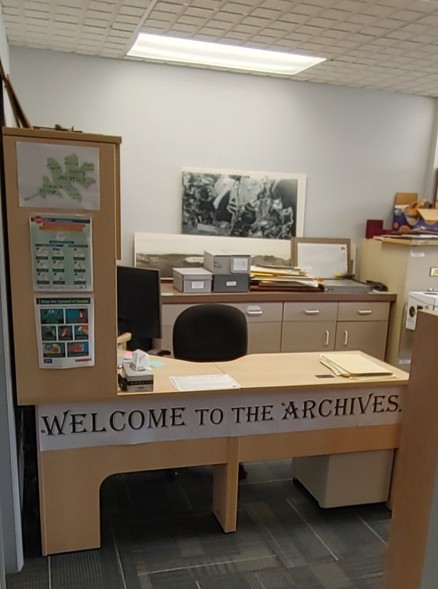
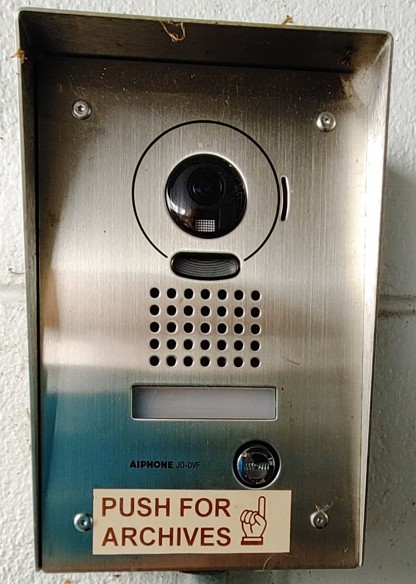
Day 2 #ArchiveBuildings The Oak Bay Archives are on the ground floor /basement level of Municipal Hall, 2167 Oak Bay Ave. From the side entrance by Fairway, press the buzzer to connect via intercom. #Archive30
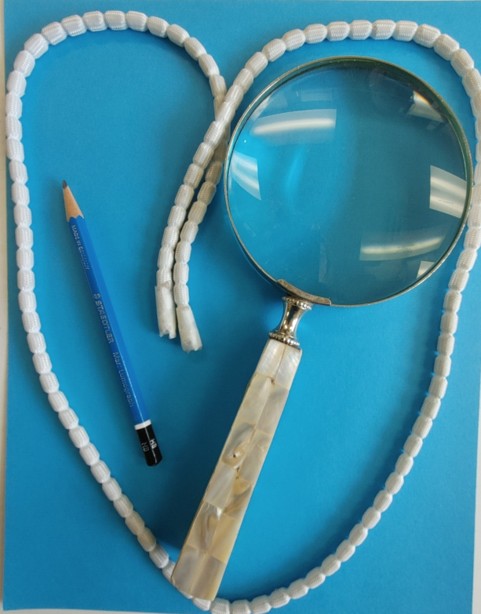
Day 3 #ArchiveFashion essential accessories: hand lens for small details, pencil only (no erasers!), lead weighting for holding down e.g. rolled maps #Archive30
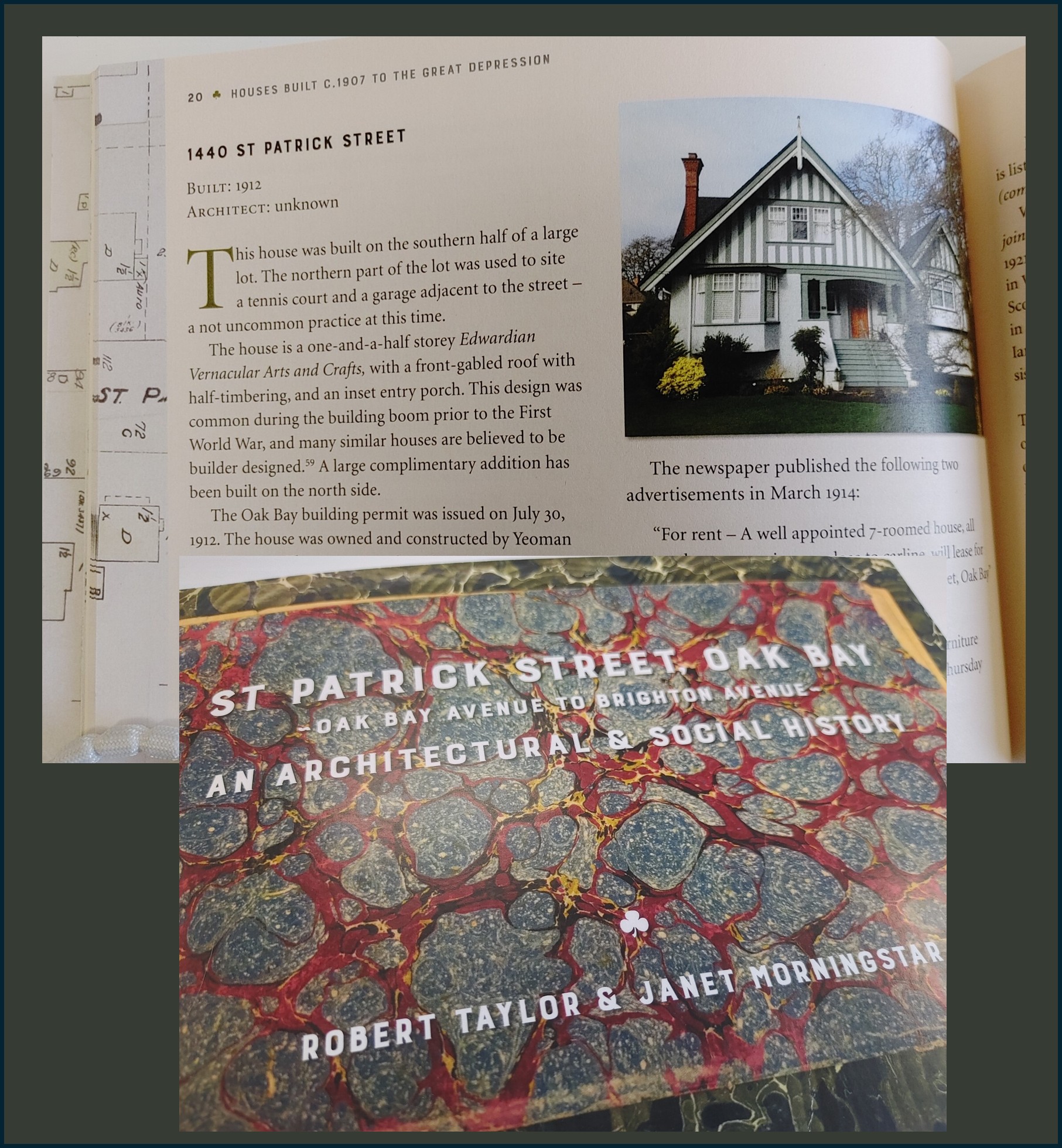
Day 4 Behind every front door are so many #UntoldStories... Check out this book about the history of the houses and people on just one block of St Patrick St! The authors drew on archival sources at Oak Bay Archives and elsewhere.
More about: https://oakbayheritagefoundation.ca/wp/wp-content/uploads/2023/01/28-31-st-patrick-street.pdf
Read online: http://www.webturf.com/oakbay/history/downloads/St_Patrick_Street.pdf
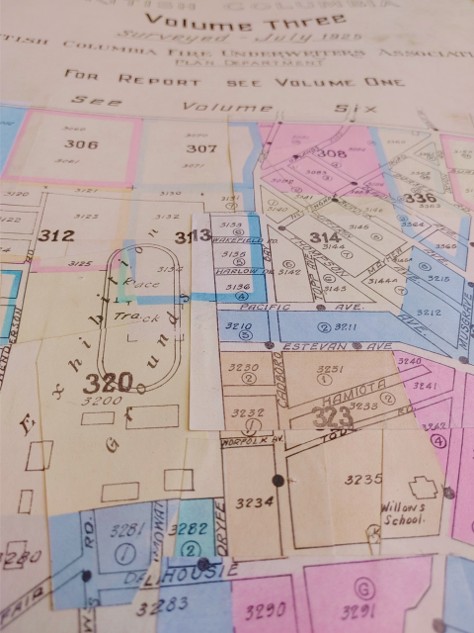
Day 5 Detailed fire insurance map covering Oak Bay, printed 1925 and updated until 1950, is one of the most #PopularItem s in the archives, and an invaluable resource for most house history enquiries. This volume also qualifies as #SomethingBig as it measures 2 feet square and almost 4 inches thick. More about: University of Victoria Libraries hosts digital images of similar fire insurance plans from BC Archives online at http://vault.library.uvic.ca/collections/6cf241ab-b4ef-44c2-8b6c-38a9de32f7d5 #Archive30
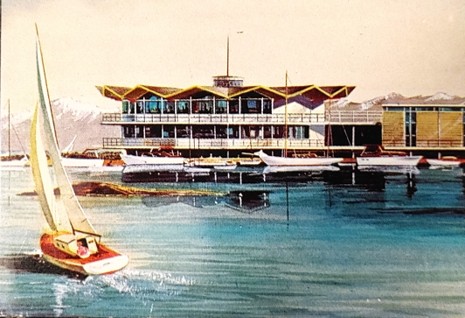
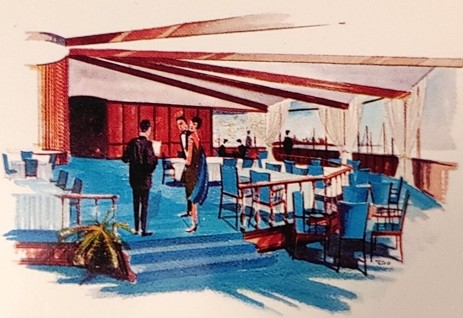
Day 6 #SomethingSmall are these two 3 x 3.5” undated artist’s renditions of the Oak Bay Marina Restaurant, opened 1964, both on a postcard (OBA Accn 2012/10/32). Who was the artist? #Archive30
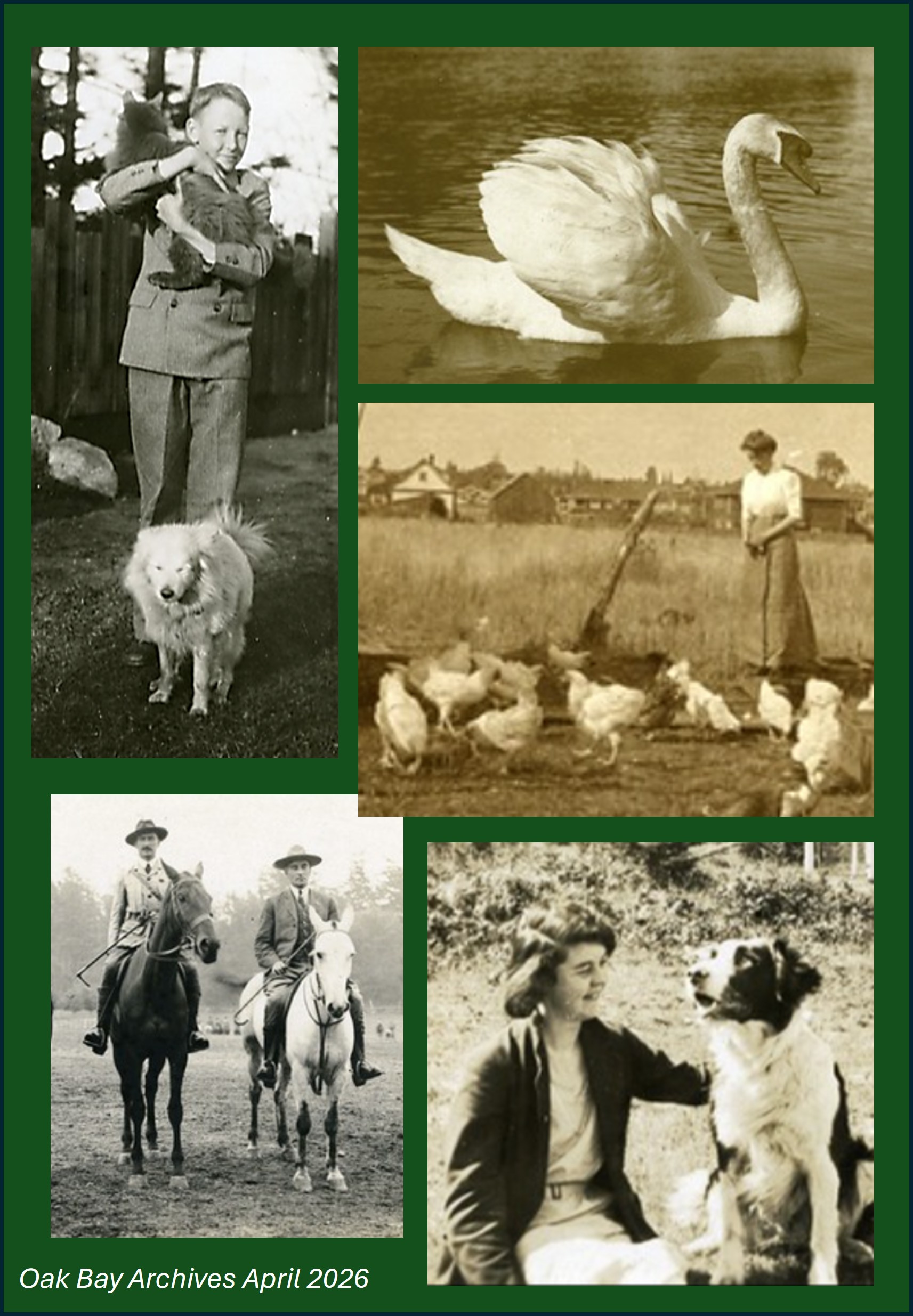
Day 7 Some #ArchiveAnimals - a swan, chickens, dogs, a cat, and horses, from the Taylor, Hinkins-Unwin, Burrell, and Pattinson albums. More about: browse Oak Bay Archives photos at https://www.flickr.com/people/oakbayarchives/ #Archive30
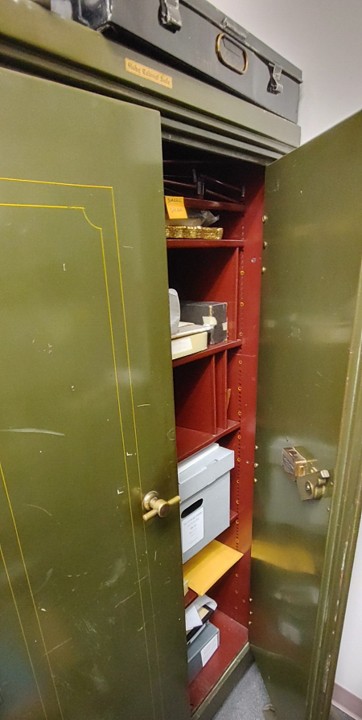
Day 8 Isn't everything past in an archive? Well - some things find an unexpected new future as part of #ArchivePast, such as this retired safe, which holds some of the small collections at Oak Bay Archives. #Archive30
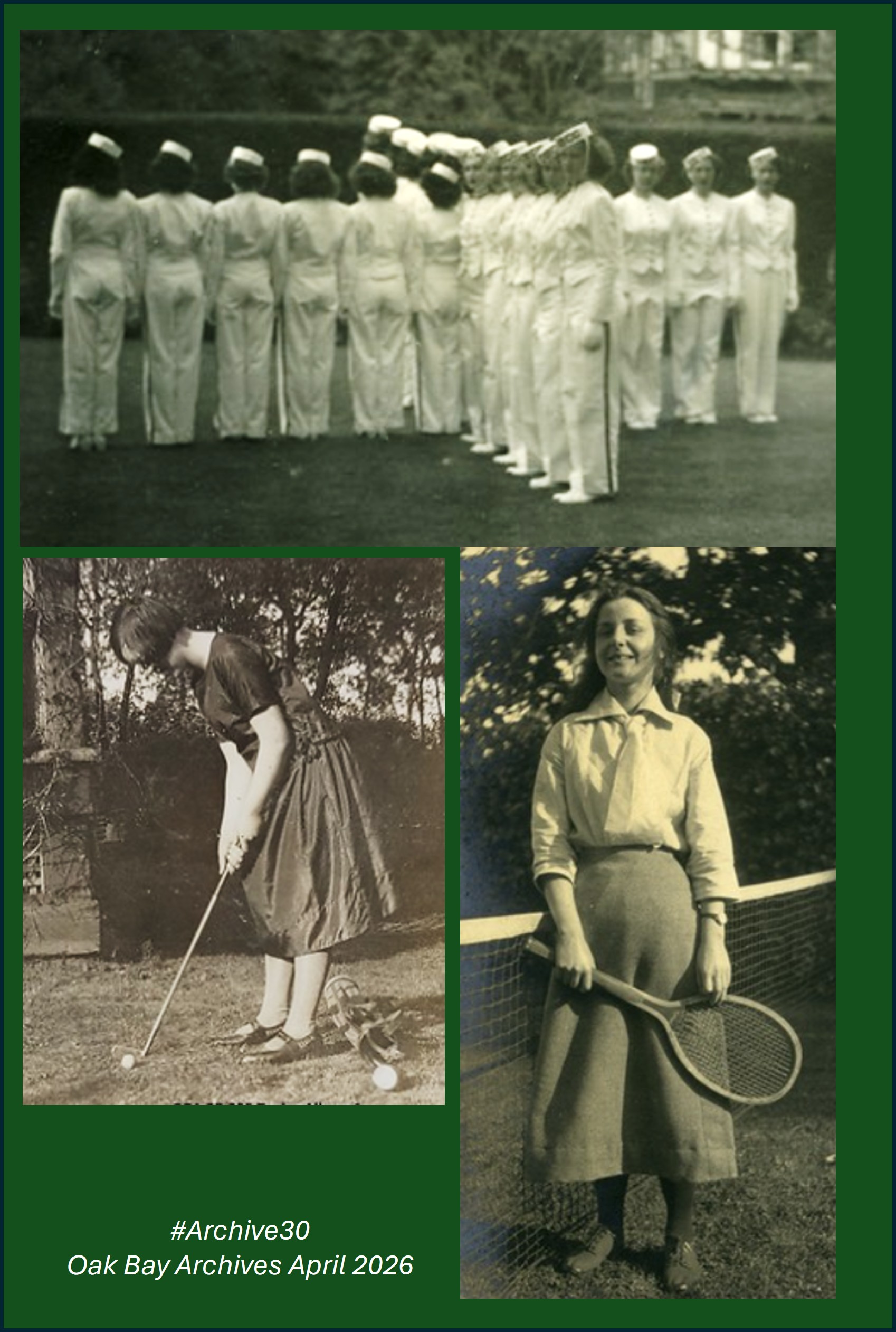
Day 9 #SportArchives:
- 1) Oak Bay Girls' Drill Team debut performance at a garden party held at the home of Mr and Mrs Gordon Cameron, June 4, 1945. OBA PHOT 1994-016-025 Photographer: McCrimmon.
- 2) Marjorie Taylor tees off, OBA PR 235 Taylor Album 1 83E.
- 3) Jessie Wootton (i.e. Jessie Adela Sansbury Wootton Catt, formerly Rugg) at 1064 Beverley Place on the Burrells' tennis court, ca. 1915. OBA PHOT 2010-010-205.
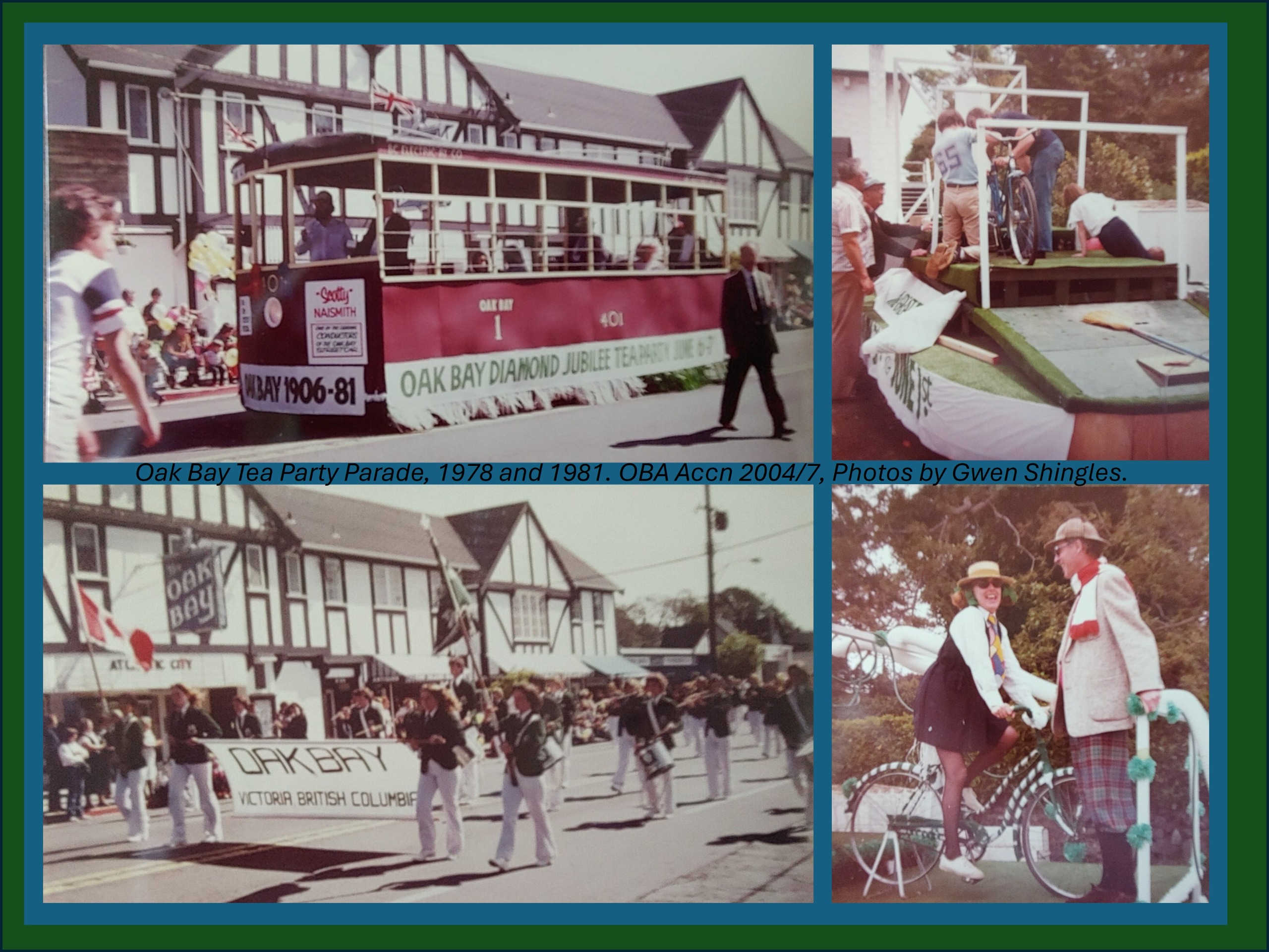
Day 10 One of the #CommunityArchives collections we continue to accrue donations for is the Oak Bay Tea Party collection. Here are some photos of the Tea Party Parades in 1978 and 1981, donated by Gwen Shingles, OBA Accn 2004/7. Featuring float preparations, a streetcar replica, the Oak Bay High School marching band (those agonizing white shoes!!) and of course tweed, they capture the community effort, involvement, and festive atmosphere of the event. Note that "Atlantic City" (1980 romantic crime film directed by Louis Malle) is playing at the Oak Bay Theatre in the background. These photos are in copyright in Canada. #Archive30
Day 11 #CataloguingArchives, otherwise known as arrangement & description, is an activity that's always going on in the background at any archive. It's a painstaking and complex process, requiring knowledge of cataloguing standards and guidelines, background research, and understanding of technical terms and jargon. Because it's all in the background until it's finished, the time and focus involved is rarely shown, and it's often put on the back burner in favour of more urgent or user-facing projects. But it's the backbone of everything we do. (And yes, it is not the same as library cataloguing.) More about archival cataloguing: https://aabc.ca/Arrangement-and-Description #Archive30
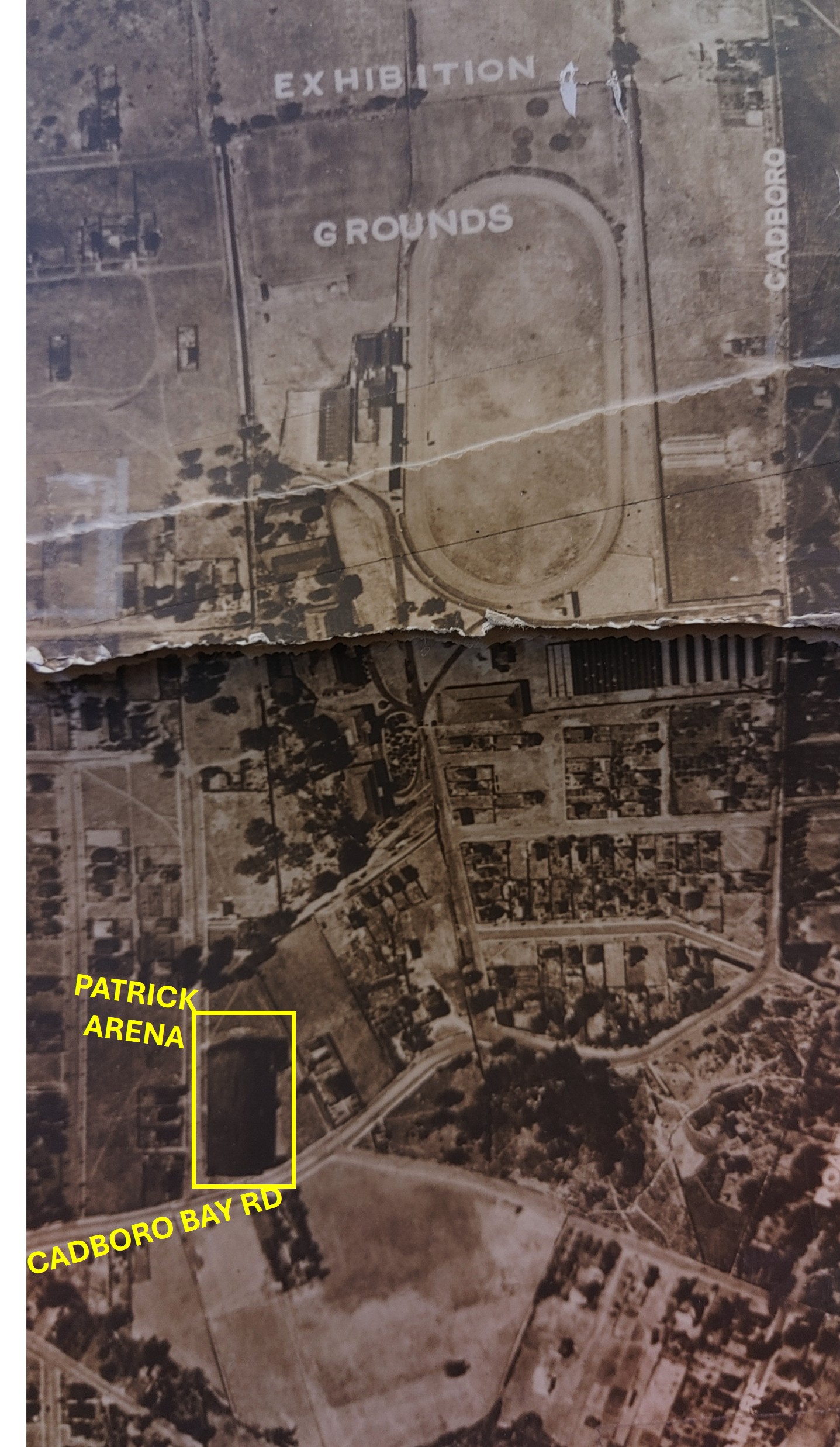
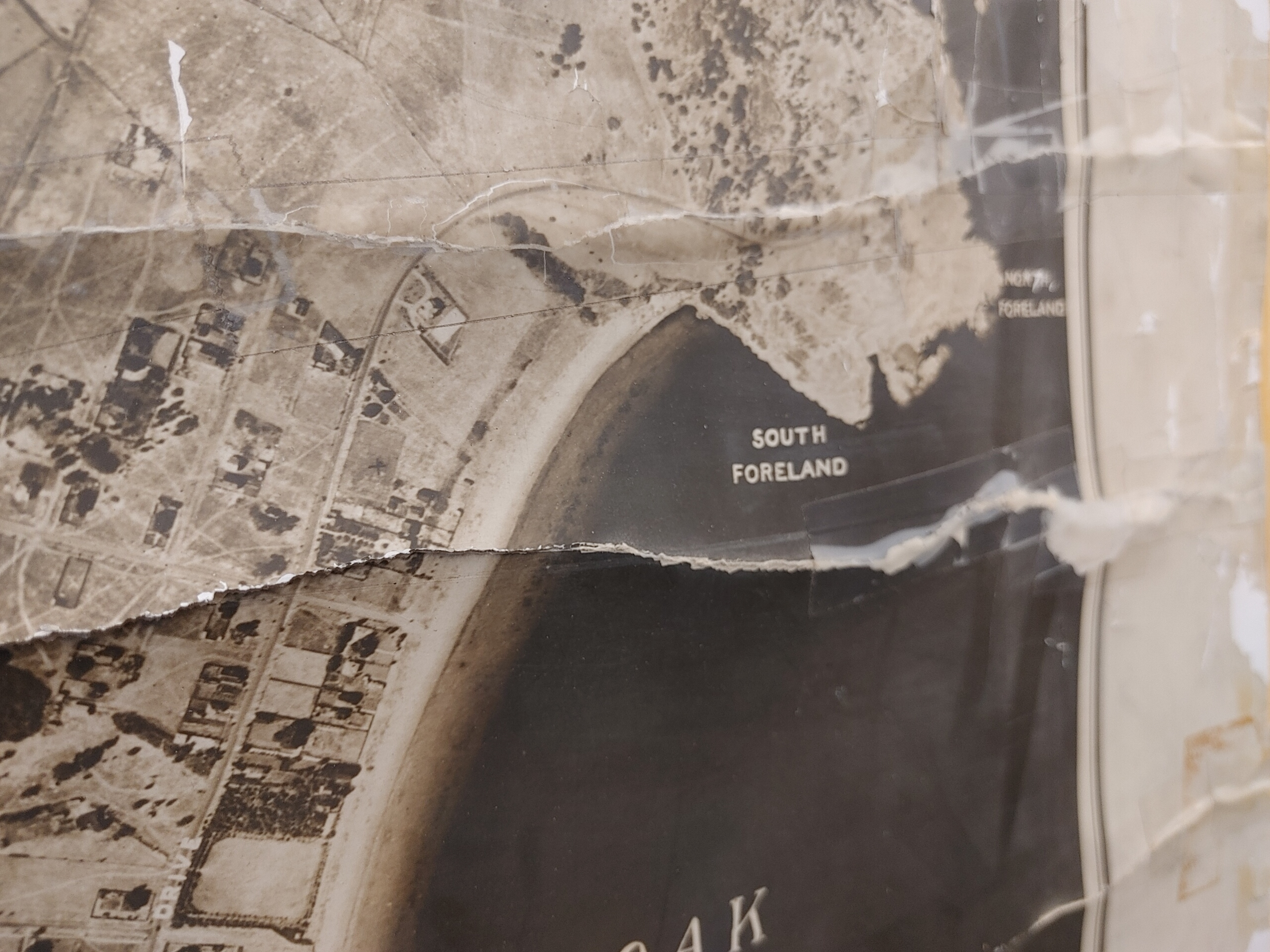
Day 12 #SomethingBig in the archives that shows a lot of small details is this 43x60" mounted print of a 1929 Royal Canadian Air Force aerial photo of "Victoria and Vicinity", part of the Topographical Survey of Canada. This detail shows two major features of north Oak Bay that no longer exist: The Patrick Arena (photographed in its last year of existence) near bottom left, near the junction of Cadboro Bay and Cranmore Rd; and further north, the race track and exhibition buildings at the Willows Fairgrounds. These photos remain in Crown copyright in Canada. Yellow annotations added for this post. #Archive30
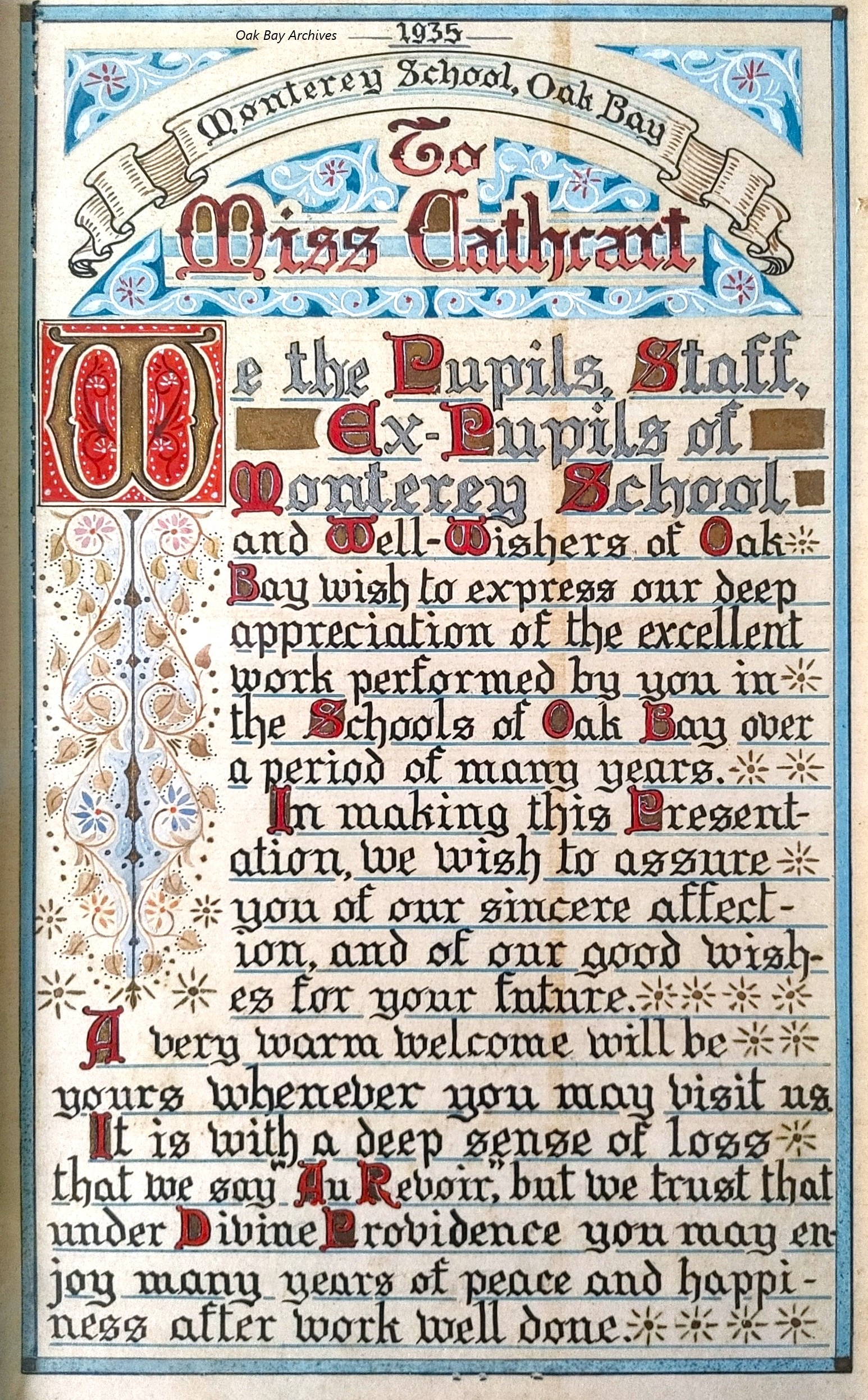
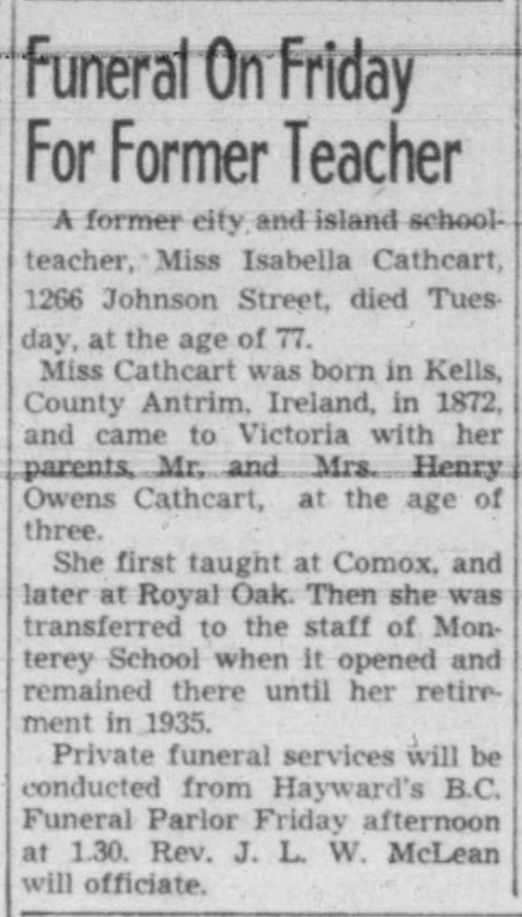
Day 13 There are already several examples of #ColourfulArchives above, but for the 13th we feature a rather special presentation to Miss Isabella Cathcart (1872-1950) from the "pupils, staff, and ex-pupils of Monterey School and well-wishers of Oak Bay" on the occasion of her retirement in 1935. Her obituary appeared in the Victoria Daily Times on 9 February 1950: https://archive.org/details/victoriadailytimes1950-02-09/page/n15/mode/2up
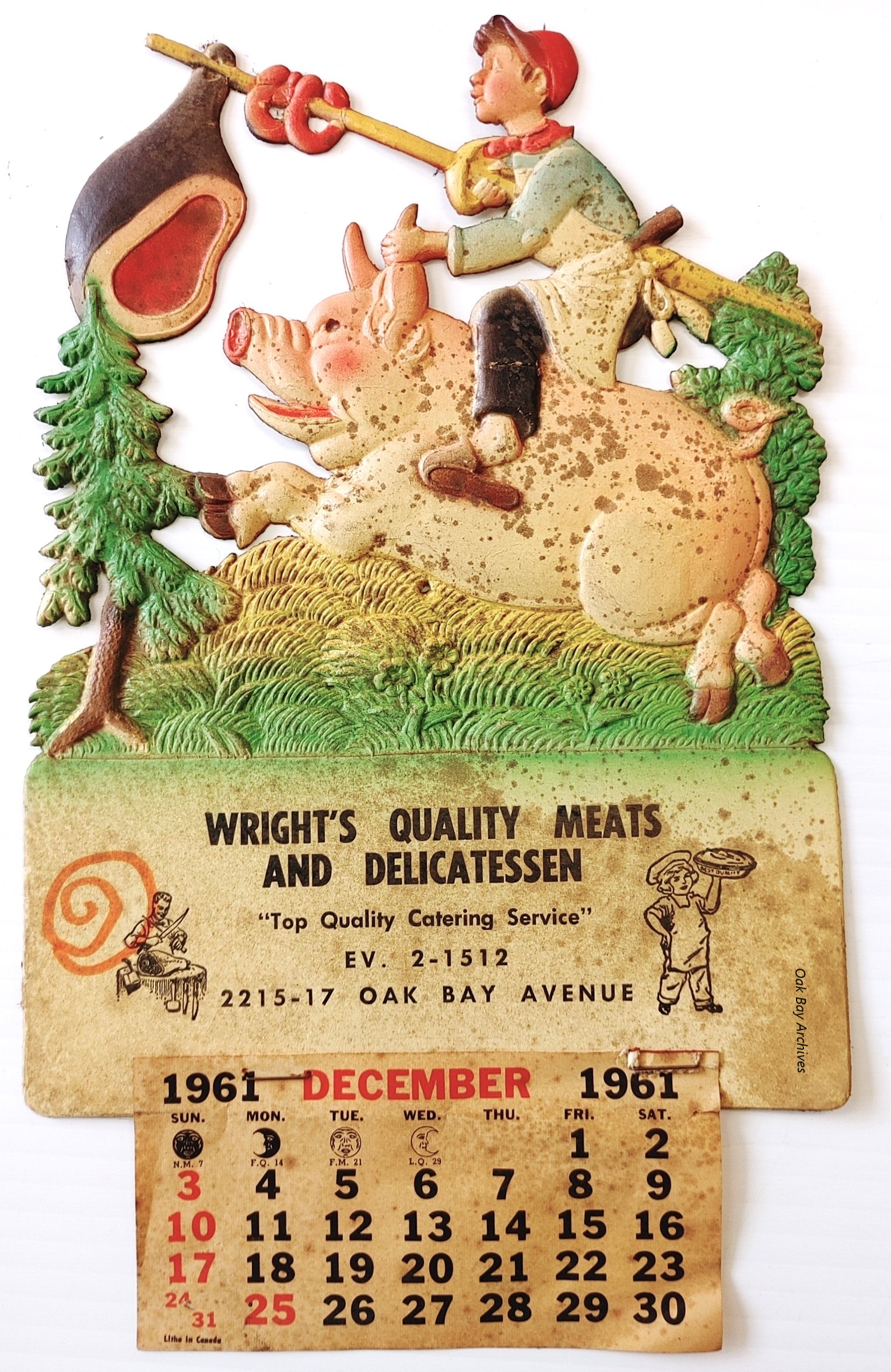
Day 14 The advertising ephemera category is usually a good source of #UnusualArchives; today's is a fun example, an embossed cutout card with paper calendar from 1961, advertising Wright's Quality Meats & Delicatessen at 2215-17 Oak Bay Avenue, in the Bell Block. The illustration shows a boy wearing a red cap and neckerchief, butcher's apron, and slippers, riding a large pink pig through a wooded landscape. The boy is holding on to the pig by one of its ears, and under his arm is a long pole with a large ham and two sausage rings hanging from it, dangling above and in front of the pig. Wright's itself was far from #Unusual, occupying a longstanding location for a succession of butcher and grocery stores in Oak Bay Village from the building of the Bell Block in 1913 until 1971.(source)
Day 15 The large mounted photo print mentioned above at #12 needs some #ArchiveConservation as it has been forcibly unrolled and flattened for mounting on foamcore, using modern adhesive tape to attach the print to the mount and to secure a number of edge tears.
But let's talk about encapsulating maps, which means enclosing in a "plastic sandwich" on both sides. If you're interested in a technical digression, click here...
Day 16 Perhaps the most persistent of #ArchiveMyths is that white cotton gloves are mandatory and/or desirable when consulting all kinds of archival material. They are not! We do use gloves when consulting potentially contaminated materials, or specific kinds of materials, such as photographs or metal objects, which are highly sensitive to the moisture, oils, and salt that can be present on bare hands. But for handling most paper and parchment documents, and for special materials that are particularly delicate and fragile, any gloves can cause more damage than clean dry hands.
More from curators at the Smithsonian, The British Library, and the UK National Archives. The Canadian Conservation Institute provides a nuanced discussion about which gloves and when to use them for different conditions and materials in archival and museum collections, here.
Day 17 It's all about the box. #ArchiveStorage is an important topic from the smallest polyester sleeve to the largest remotely-controlled off-site repository, but the basic building block is the archival box.
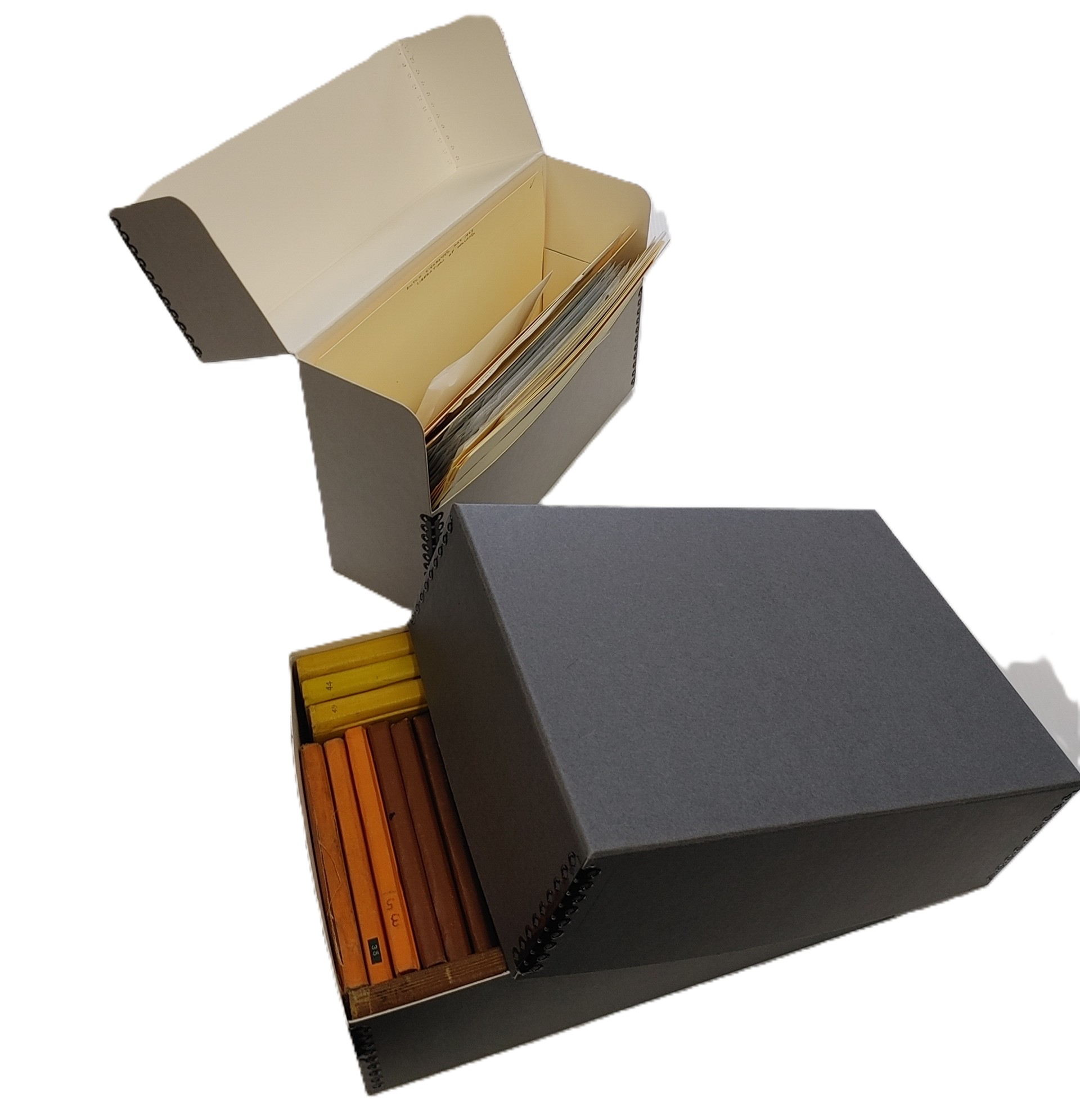
Since the majority of organizational (and indeed personal) archival records are on more or less standard letter/A4 or legal/foolscap paper, the standard boxes are too. There are also many pre-made box sizes to fit particular sizes and formats of records, and custom possibilities for unusually shaped and over sized items. Pictured above, vertical and horizontal Hollinger boxes. These are the most commonly used for standard sized paper records.
An archival box should be made of acid/lignin free buffered boxboard with reinforced edges/corners, although metal edges may be overkill for any other than large and very busy repositories, or the most frequently consulted collections.
I prefer horizontal boxes with a full detached lid. Inside the box, I like to use 4-flap folders or 3-sided envelopes with or without a non-gummed flap for storing files or individual items rather than open-sided file folders.
More than you ever wanted to know about archival preservation materials and equipment:
Canada: https://www.carrmclean.ca/archival-supplies.html
#Archive30
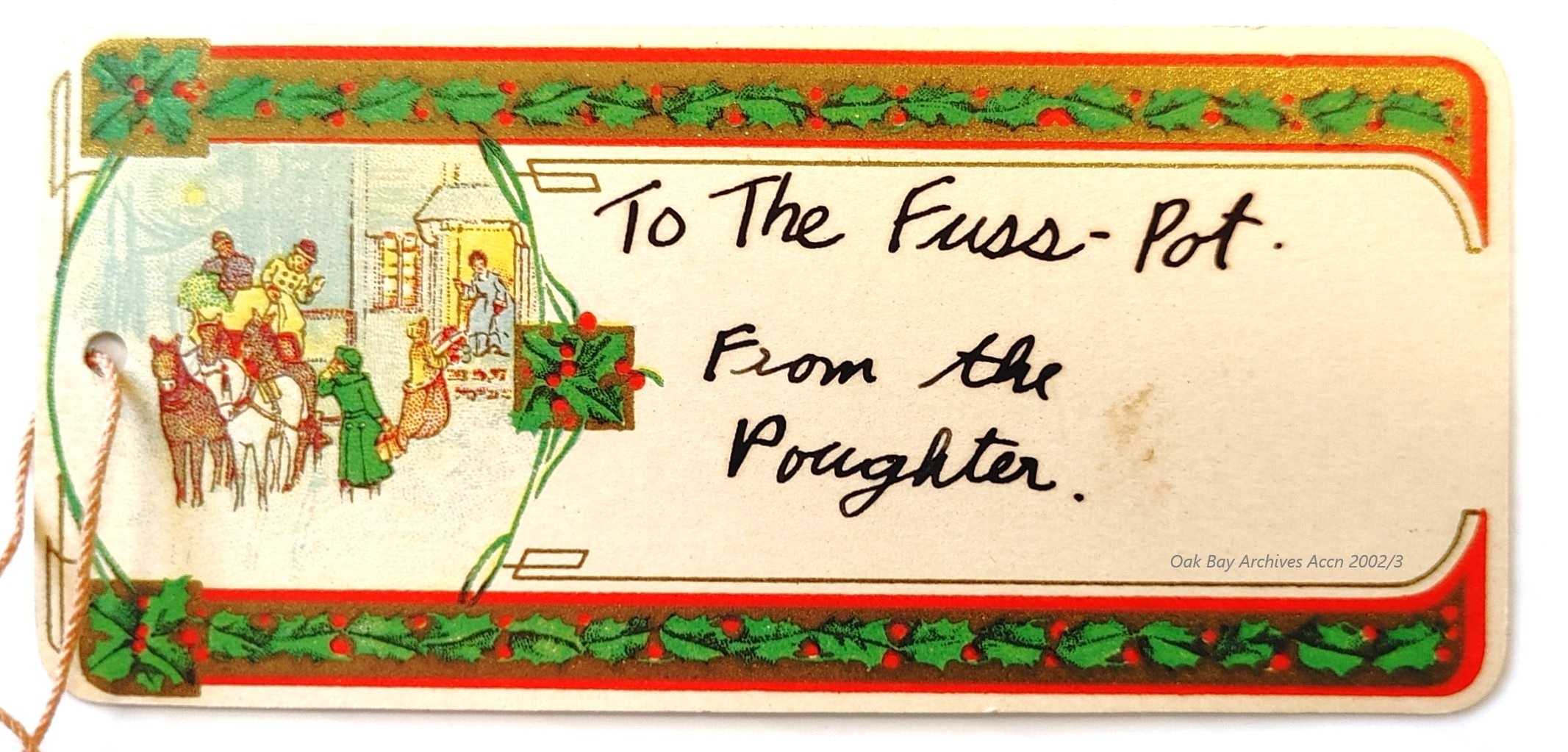
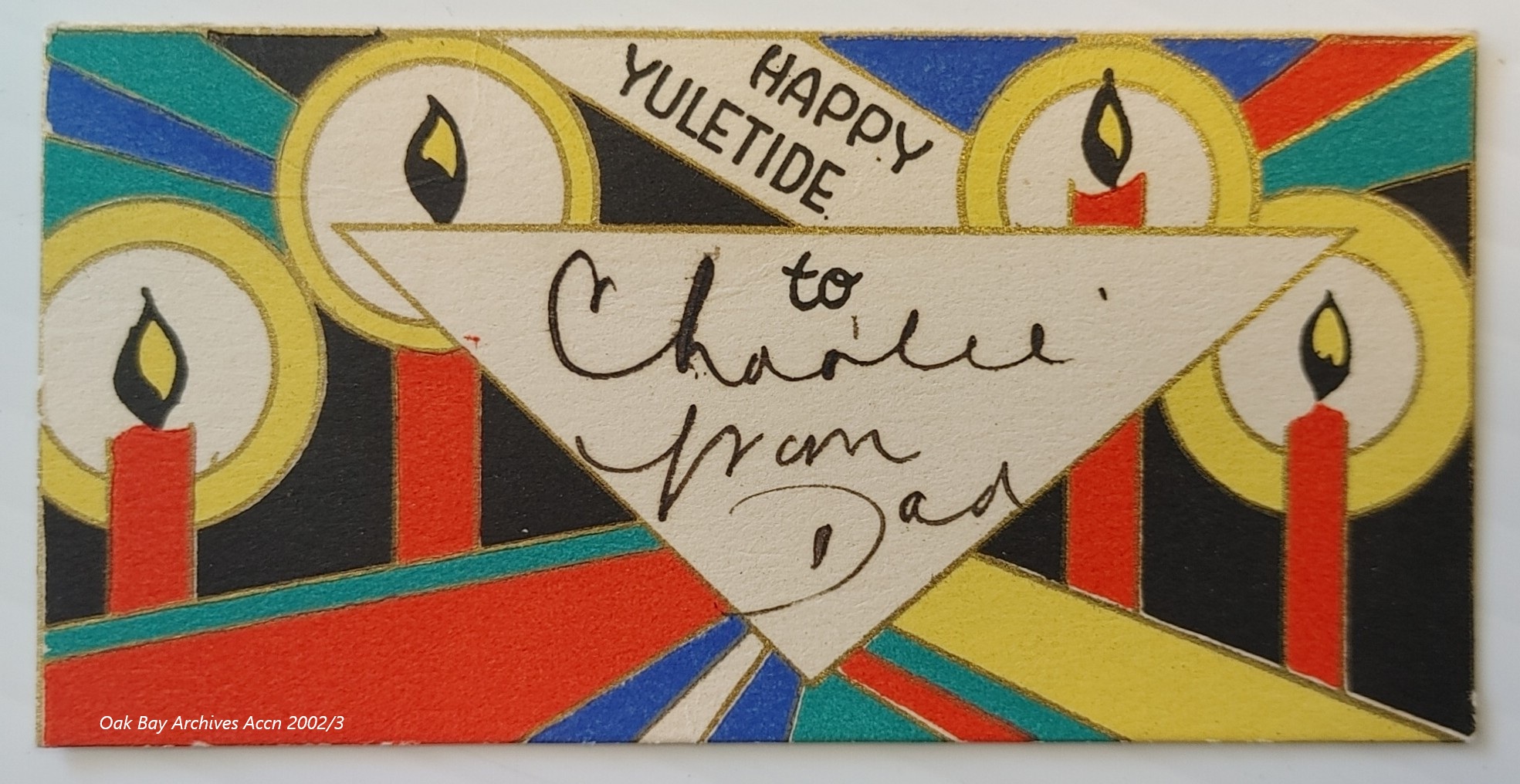
Day 18 For #ArchivePresent (and also #SomethingSmall), two items of ephemera, decorative Christmas present tags in contrasting styles, one harking back to traditional English Victorian imagery, and the other more modern/Art Deco-esque. (OBA Accn 2002/3) #Archive30
Day 19 There are at least three definitions of #DigitalArchives : one is an electronic system for organizing, maintaining/preserving, and making available born-digital electronic records that are no longer required for current business; this is an electronic equivalent to the traditional paper-based physical archive, and may exist alongside and as a successor to it. Another is a collection of electronic copies of physical records, often created as access and preservation surrogates, which may be arranged to mirror the hierarchical system of arrangement of the physical archive. A third is a curated collection of digital objects (images, text, data etc) presented as an online exhibition. Oak Bay Archives' electronic records are mainly the second type.
Day 20 I'm sometimes asked #AboutAppraisals, meaning appraisal of the monetary or market value of an archive. Archival appraisal is something different. "Appraisal involves determining the archival value of possible acquisitions and their suitability for your institution. Appraisal is perhaps the most intellectually demanding job an archivist will perform. There is no convenient formula for appraising archival material; each group of records must be assessed in relation to: administrative value, age, physical quantity, type of material (record formats and media), uniqueness, physical quality, time span, accessibility, use, suitability according to accession policy (collection remit), etc." MfSA pp.26 ff.
More in the Manual for Small Archives from the Archives Association of BC: https://aabc.ca/Archivist-Toolkit
Often what's meant is monetary appraisal of archival records, usually for tax receipt purposes - that's a different thing requiring specialist training and membership of the National Archival Appraisal Board.
https://naab59175.wildapricot.org/
https://ccperb-cceebc.gc.ca/en/resources/documents/strategies-for-monetary-appraisals-of-archival-cultural-property.pdf
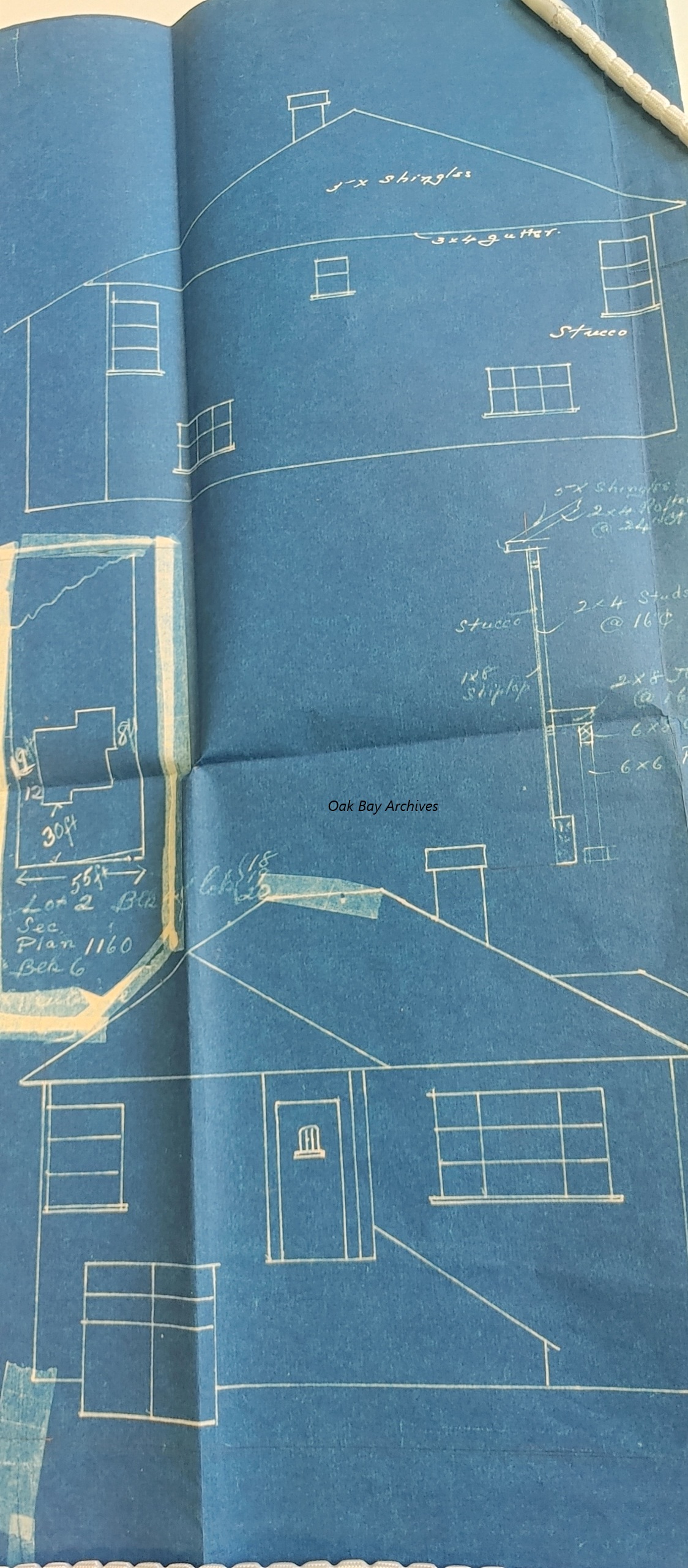
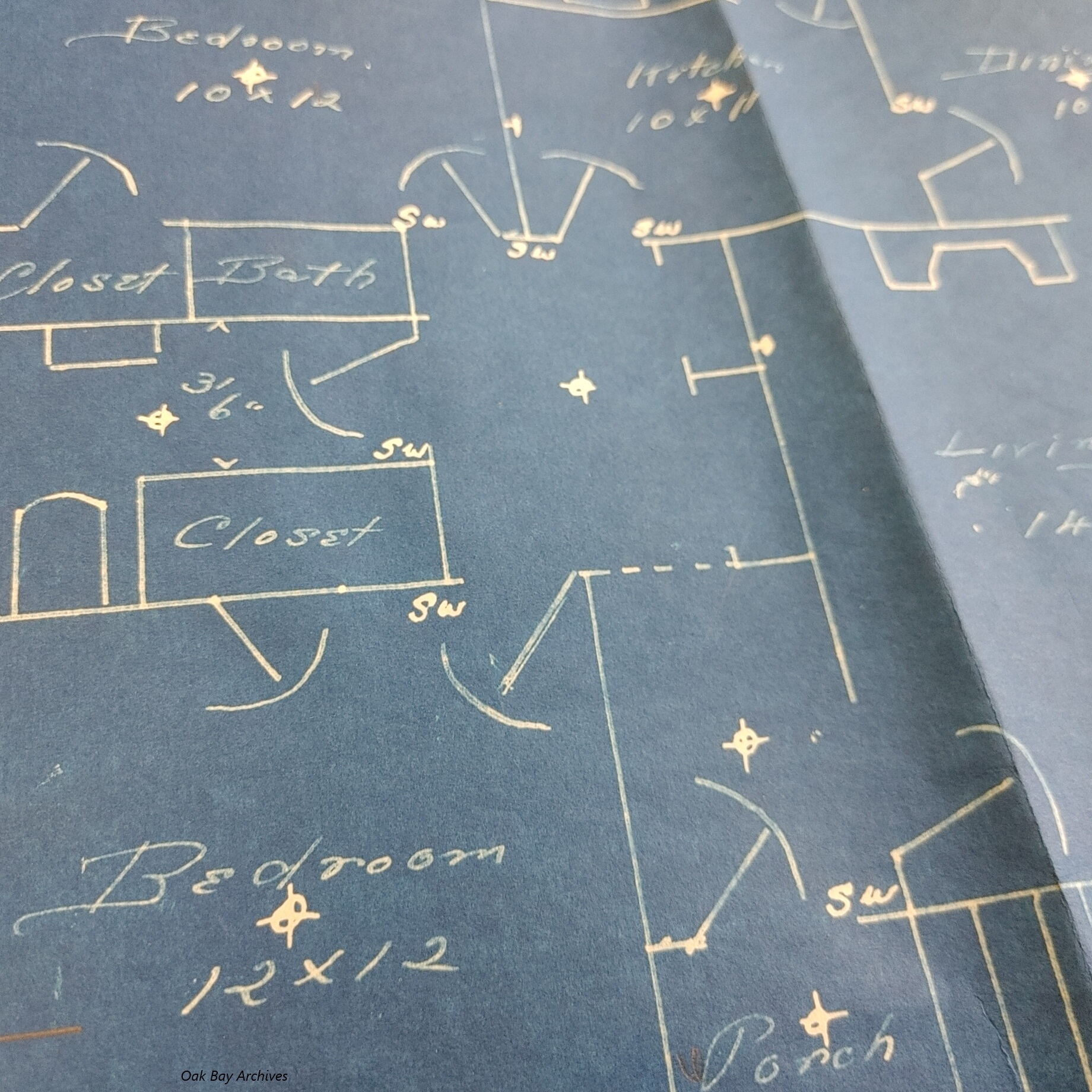
Day 21 An #ArchivePlan for a house formerly at 815 Monterey Avenue - built 1941, demolished 1968.
Day 22 Movie theatre history seems like a good topic for today's #SoundandVision. Oak Bay has had two movie theatres, both still standing though put to other uses. The Avenue Theatre was open at 2009 (now 2013) Oak Bay Avenue 1913-1921, and the Oak Bay Theatre at 2184 Oak Bay Avenue (in the Castle Block) 1936-1986. The Avenue Theatre began in the age of silent film, but closed before talkies took over. It has been claimed as not just Oak Bay's but Victoria's first purpose-built movie house - but was it? read more here... #Archive30
Day 23 It's National Volunteer Week, so the first #ArchivePeople to mention are our Archives volunteers. More about them and their work on the 25th.
The majority of enquiries to the Oak Bay Archives are about the history of a particular house. People tend to be interested first in the building's architectural history: when was it built? did it have a famous architect? how much did it cost, and what would be the modern equivalent (say, proportional to salaries)? when was the garage added? where do the sewer lines go? what was on this site before the current house? why has the address changed, and when? what did this street/ neighbourhood look like a century ago?
But soon the questions turn to the previous owners and occupants: who built it? who was the first owner? how long did those people live in the house? why did they move here? why did they sell? where did they go after that? what happened to their children? Did anything notable happen here? Who planted that tree? What kinds of cars were people driving a century ago? What jobs did they do? What did they like to do for fun? What did they learn in school? What were their lives like? What would they recognize in this house, this street, this neighbourhood, if they saw it now?
Here are some #ArchivePeople and their #ArchiveHouses:
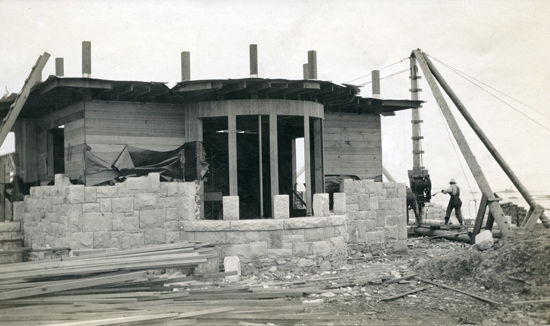
Workers building the south wing of 1069 Beach Drive - early phase of construction ca. 1912. OBA PHOT 1994-049-003. Photographer: Peter McKechnie
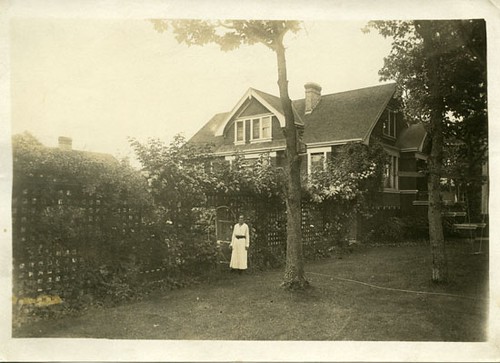
A woman in the garden, possibly Mrs. Lottie Gunter, at 2130 Oak Bay Avenue, at Yale St. Built in 1910 by Samuel Gunter, Oak Bay's first Superintendent of Public Works, destroyed by fire c.1990. Photo ca. 1920, photographer unknown. OBA PHOT 2004-010-001
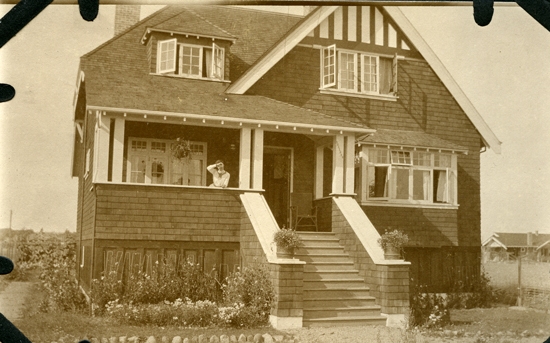
The Unwin home at 2178 Beaver Street (now Beaverbrooke Street), built for widow Maria Unwin and five of her adult children, Dora, Hilda, Mabel, Winifred and Cecil, when they came to Oak Bay from England in 1912. Maria Unwin died in May 1914. Miss Mabel Unwin was the proprietor of Oak Bay Dry Goods in the Bell Block on Oak Bay Avenue for many years. Photo ca. 1915, photographer unknown. OBA PHOT 2006-006-021.
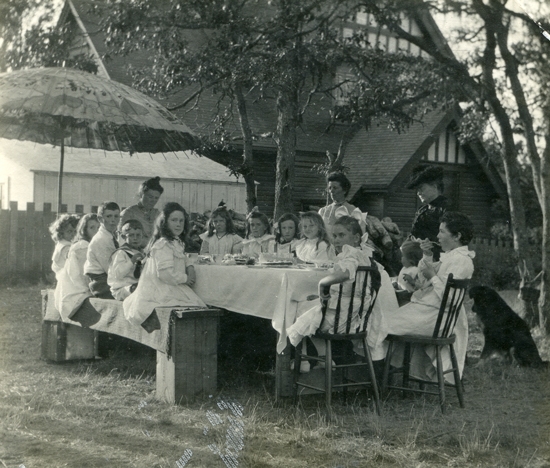
A Burrell family birthday party in the back garden of Summerdyne, their home on Oak Bay Avenue at Monterey. Photographer: Frank Burrell, ca. 1902. OBA PHOT 2010-010-054.
Browse more from these collections
Day 24 Two items of ephemera for #BusinessArchives: order lists for groceries from Dinsmore's Grocery, 2509 Estevan Ave, and from Estevan Meat Market, 2517 Estevan Ave, both for the Fahey family of 223 Denison Rd, in November 1951. OBA Accn 1994/02.
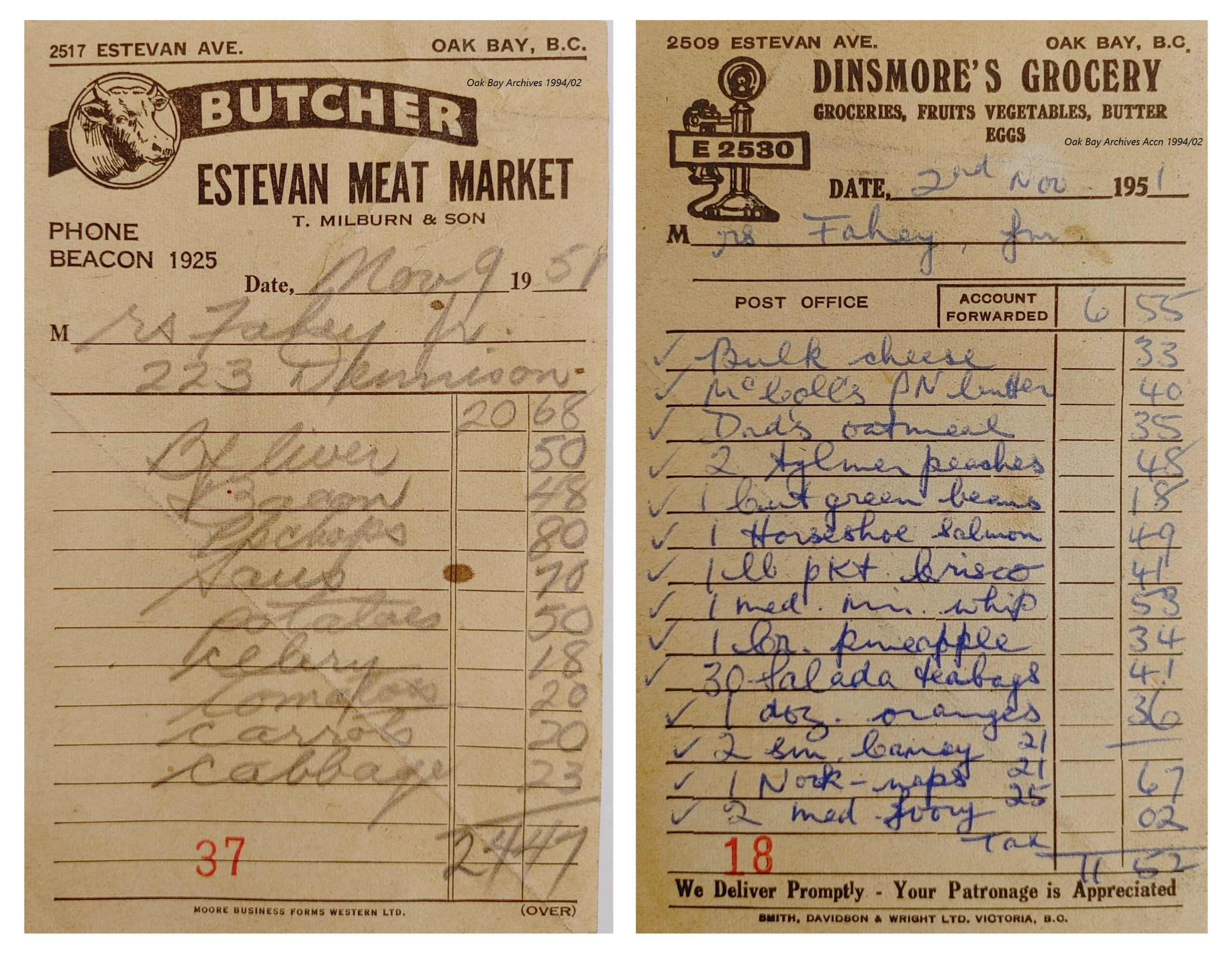
Transcript: Estevan Meat Market
Nov 9, 1951
Mrs Fahey Jr
223 Dennison [sic]
20 | 68
B[ee]f liver | 50
Bacon | 48
P[or]k chops | 80
Saus[ages] |70
potatoes |50
celery | 18
tomatoes | 20
carrots | 20
cabbage | 23
_______
24.47
Transcript: Dinsmore's Grocery
2nd Nov 1951
Mrs Fahey, Jnr
Account forwarded 6 |55
Bulk cheese | 33
McColl’s PN [peanut] butter | 40
Dad’s oatmeal [cookies] | 35
2 [cans of] Aylmer peaches | 48
1 [can of] Cut green beans | 18
1 [can of] Horseshoe [Brand] Salmon | 49
1 lb pkt Crisco | 41
1 med mir. [Miracle] whip | 53
1 [can of] Cr[ushed] pineapple | 34
30 Salada teabags | 41
1 doz. Oranges | 36
2 sm [bars of] Camay [soap] 21 21 25|
1 Nook-naps [packet of paper napkins] | 67
2 med. [bars of] Ivory [soap] | 02
Tax ____________
11 | 52
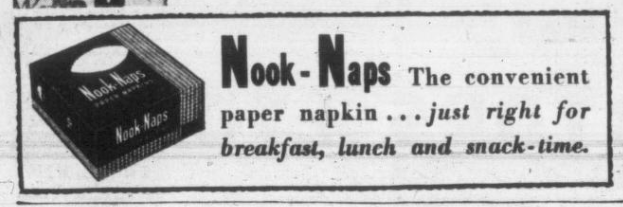
Victoria Daily Times, 2 July 1952, p.12 https://archive.org/details/victoriadailytimes1952...
Day 25 #ArchiveVolunteers
Volunteers have always been a key part of Oak Bay Archives. These days there are 8 regular volunteers, each working on their own project and sometimes contributing to others as well. All volunteer projects coordinate with the archivist's work, and contribute to the core programs and services of the archives, e.g. indexing and transcribing key historic record series, box-listing and numbering undescribed accessions, digitizing photos and documents, maintaining the reference files and library, assisting researchers and visitors, or researching house histories in response to enquiries.
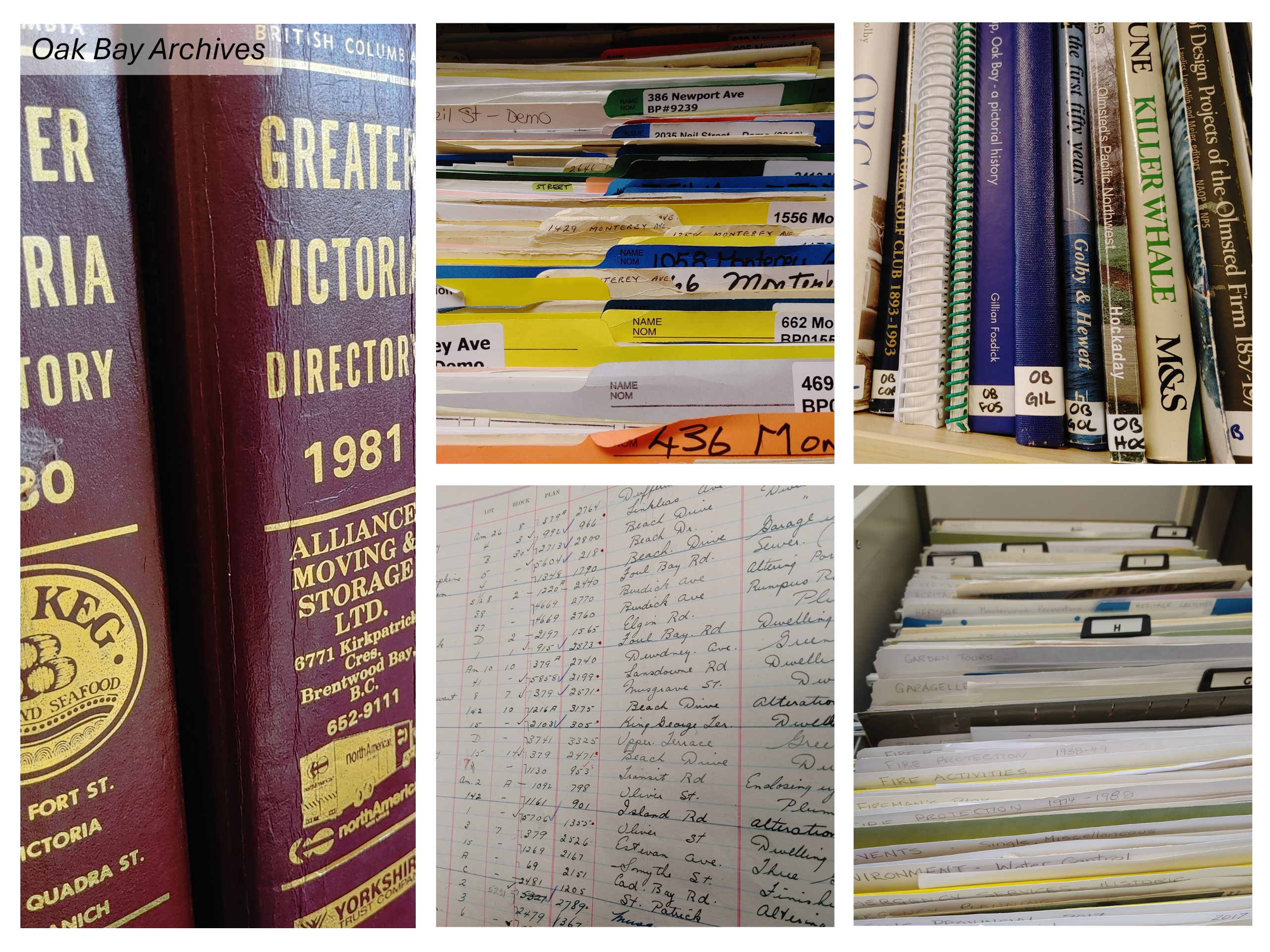
Some of the things current volunteers are working with: city directories (1850s-1955 online, 1956-1999 in these large physical volumes); files for individual demolished properties; reference library books (part of Oak Bay section pictured); a 1940s page of the hand written Oak Bay building permits ledger ; reference files on Oak Bay subjects (persons, places, buildings, things, events, etc.)
Thank you to all former and current Archives volunteers! #Archive30
Day 26 #ArchiveFoodandDrink Fashions change, but it seems that picnics never go out of style. Here's a selection from Oak Bay collections - browse these picnics and more on Flickr
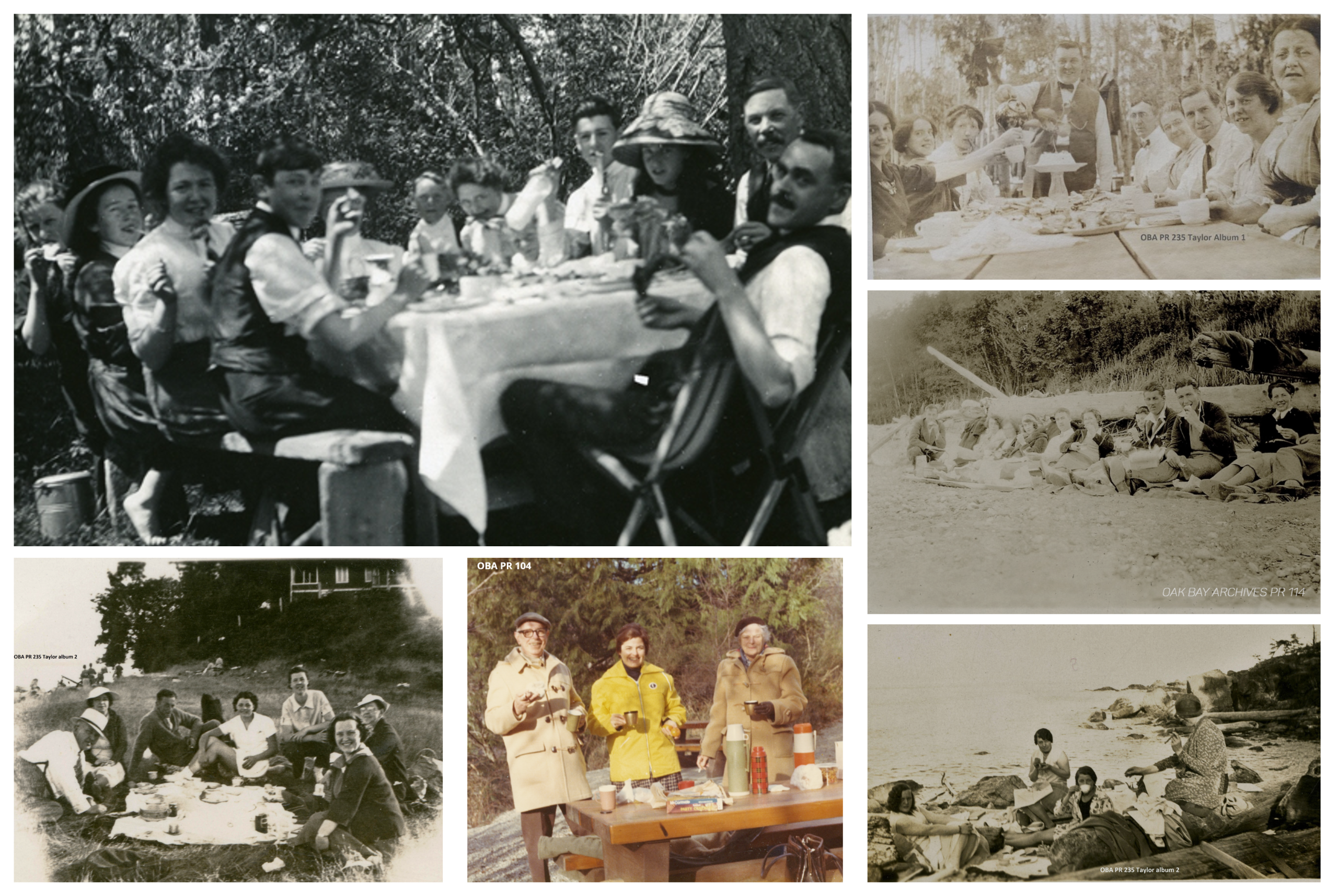
OBA PHOT Accn 2010-010-231 Burrell
OBA PR 104 FRANCIS 1-079
OBA PR 114 Haynes family photos 306
OBA PR 235 Taylor Album 1 34D
OBA PR 235 Taylor album 2 32E
OBA PR 235 Taylor album 2 35D
Day 27 Oak Bay's #ArchiveBeginnings in 1994, with Jean Sparks and Ann McKenzie as the first volunteers, are outlined in Ivan Watson's 2015 article in Tweed magazine - head over to https://issuu.com/blackpress/docs/i2015032015440574/13 pp.13-15. A new era began when Caroline Duncan was brought on board as a professional archivist, first as a consultant in 2012 and then as a municipal employee in 2016. My own #ArchiveBeginnings as professional archivist and municipal employee at Oak Bay started 6 years ago at the beginning of May 2020, in a closed archive, sight unseen, following a Zoom interview. Things have continued to evolve since then - visit https://connect.oakbay.ca/archives/blog-index for more, including photo tours of the archives before and after renovations in 2021. But we are still history detectives! #Archive30
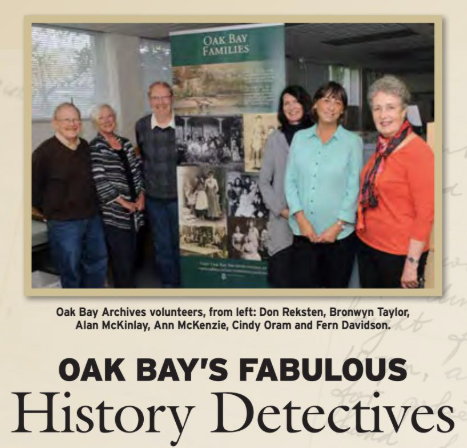
Tweed Magazine Spring 2015, p.13. Photo: Don Denton. Source: https://issuu.com/blackpress/docs/i2015032015440574/13
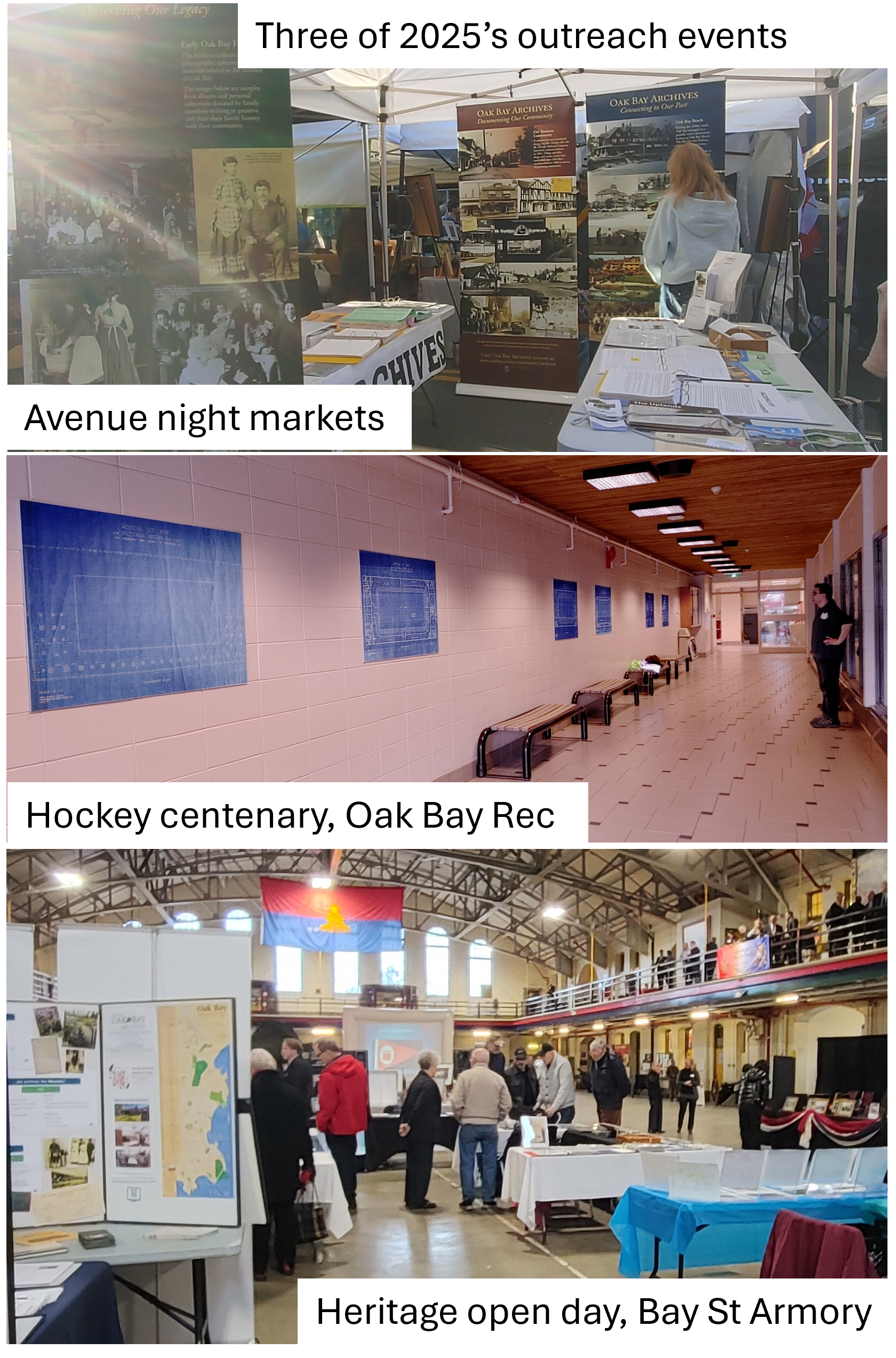
Day 28 Highlights of #ArchiveOutreach in 2025:
• Mystery Gallery at the Monterey Centre for Oak Bay Artists' silver anniversary Studio Tour
• Full size reproductions of Patrick Arena plans on display at Oak Bay Re Centre for the hockey centenary celebrations
• Oak Bay Avenue summer night markets
• Displays in the foyer at Municipal Hall
• Permanent online versions of all of the above on Oak Bay Connect
• 8000+ digitized archival photos on Flickr
• New Facebook page
• Info table at Oak Bay Library for BC Archives Awareness Week
• Staffed table at General Sir Arthur Currie Armoury (Bay St Armoury)’s public Heritage Open House
#Archive30
Day 29 #ArchiveFuture: What did people in the past think the 2020s might look like? A recent accession from the Oak Bay Parks & Recreation Department includes the contents of a 25 year time capsule from 2000, so stay tuned here for more to come about that...
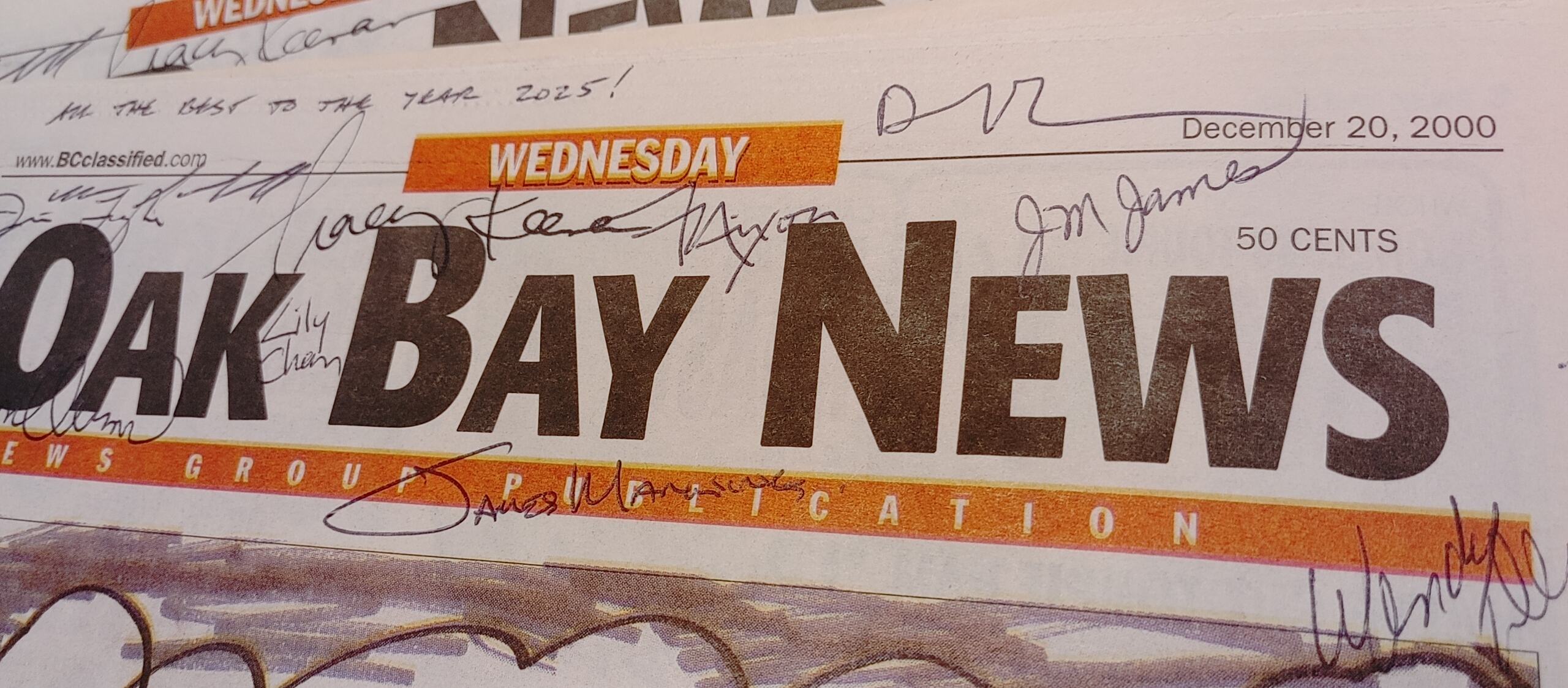
Day 30 #WhyArchives
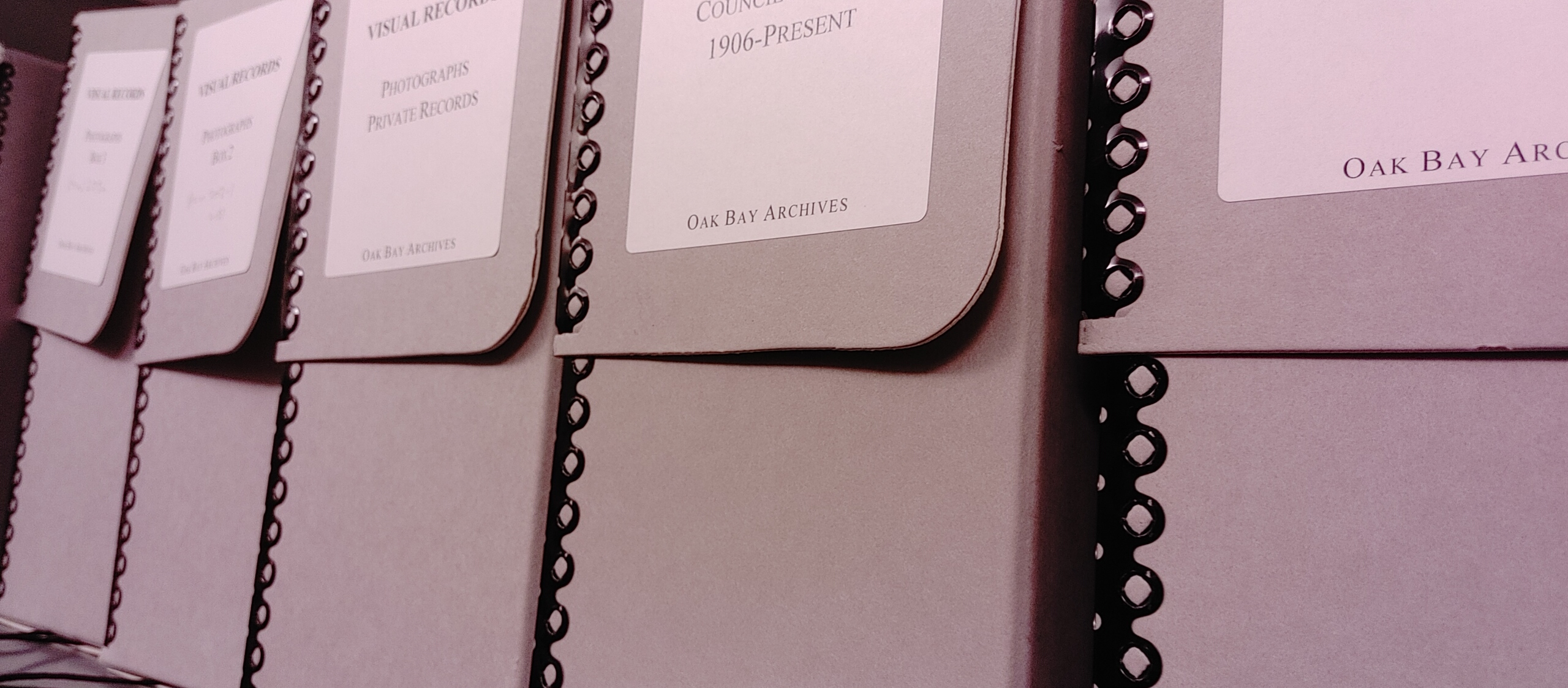
The principles of provenance, custody, and respect des fonds are the backbone of archival standards and practice. How can we know whether records are trustworthy, original, complete, manipulated, forged, damaged, or changed later? These questions are only going to become more critical as AI gets better at - to take just one of the less serious examples - ensuring that hands in sepia-looking photos have the expected number of fingers [remember this post from Archives Ontario?].
Here's a good article (and webinar) from Backlog, outlining how we approach provenance and original order, and why they are important: https://www.backlog-archivists.com/blog/provenance-and-original-order
That concludes #Archive30 for 2026! Thanks again to Archives & Records Scotland.
- Anna Sander, April 2026
Questions or appointment requests? Please get in touch!
Website: https://www.oakbay.ca/archives
Photos: https://www.flickr.com/photos/oakbayarchives/
Blog posts: https://connect.oakbay.ca/archives
Email: archives@oakbay.ca
Phone: 250-598-3290